
Historic District
Savannah's downtown core — 22 surviving Oglethorpe squares, brick rowhouses, and the most walkable address in the city.
Living in Historic District
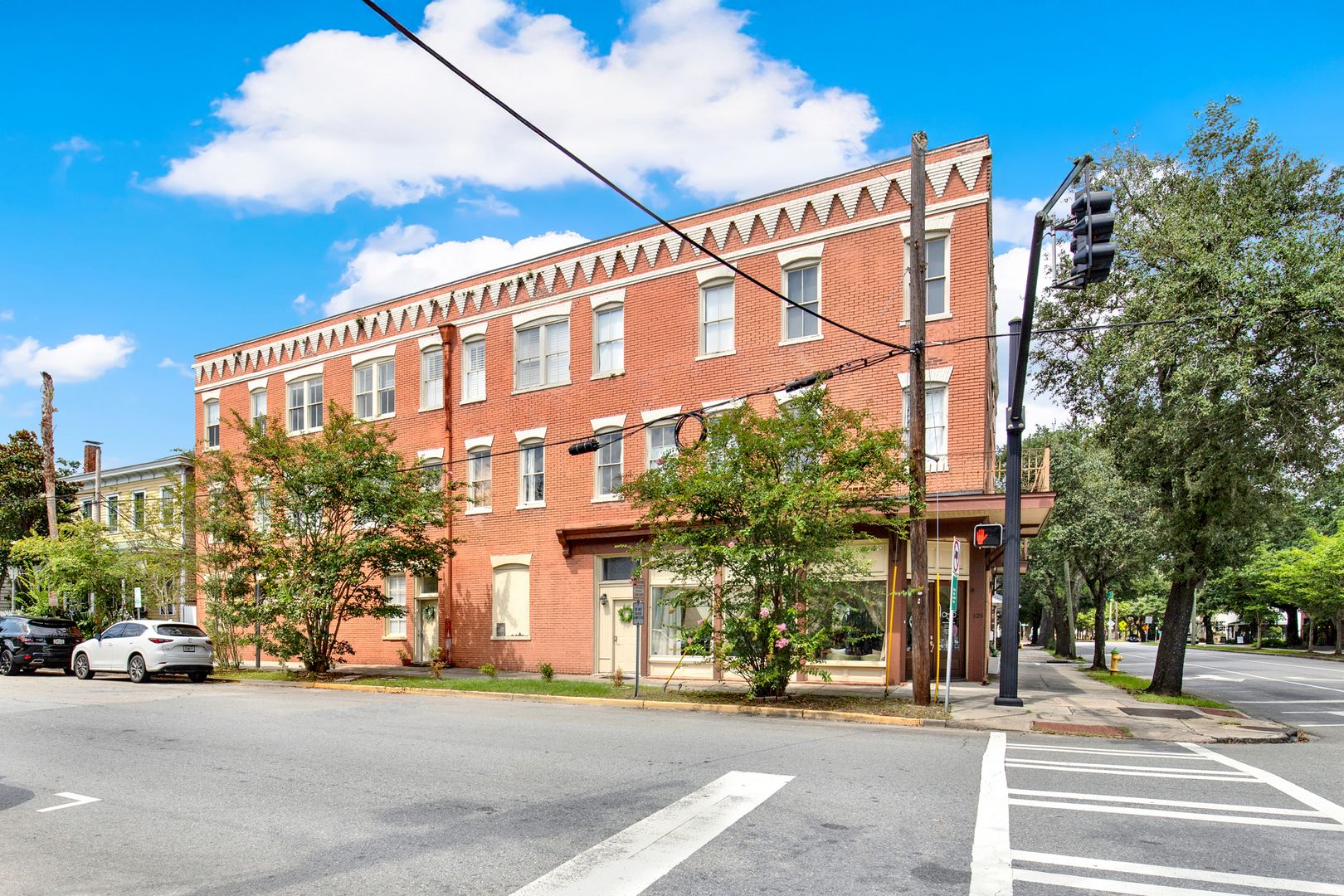
Designated a National Historic Landmark in 1966, the Historic District is the cultural heart of Savannah: 22 surviving squares laid out under the 1733 Oglethorpe Plan, surrounded by one of the most intact concentrations of 18th and 19th-century architecture in the United States. Living here means morning coffee on Forsyth Park, walks past gas-lit lanes, and being within steps of River Street, SCAD, and the Telfair museums.
Rentals lean toward restored historic homes, carriage houses, and converted apartments — most with heart-pine floors, fireplaces, and high ceilings. Street parking is tight, but residential permits are available and most errands are walkable.
Available rentals in Historic District
Other Savannah neighborhoods
Savannah's first post–Civil War streetcar suburb — gingerbread porches, wide avenues, and Forsyth Park at its northern edge.
Savannah's creative corridor — Bull Street galleries, breweries, food-truck yards, and a steady stream of new makers.
Tree-lined streetcar suburb wrapping Starland — broad avenues, restored cottages, and Forsyth Park a few blocks north.
Quiet eastside residential pocket between the Historic District and Truman Parkway.
Historic westside neighborhood with deep Savannah roots — a National Register district under active restoration.
Established residential corridor between downtown and the islands — solid early-20th-century homes, quick commutes.